
- Pipe
- Bridges & Structures
- Walls
- Stormwater Management
- Erosion Control
- Start a Project
- Knowledge Center
- Technical Documents
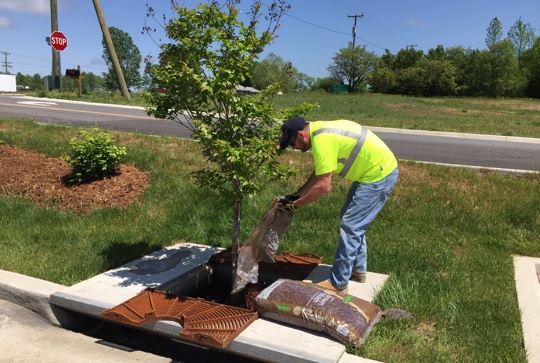
At first glance, it's easy to get excited over how much innovation has occurred in the field of stormwater management in recent years. A wide variety of new stormwater control measures (SCMs) have been developed and deployed for use while we simultaneously worked to refine our design standards for our tried and true practices to improve their functionality.

Stormwater runoff is a significant source of water pollution, carrying various pollutants from urban areas into natural water bodies. Most stormwater treatment efforts have focused on the capture of total suspended solids. Still, significant pollutant loads can be attributed to dissolved pollutants, such as heavy metals, nutrients, and organic compounds, which can have detrimental effects on aquatic ecosystems and public health.
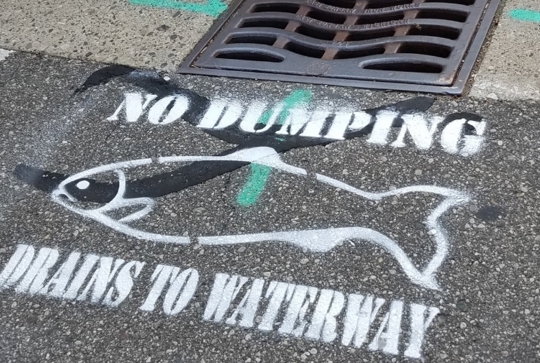
Eliminating illicit discharges within our storm sewers through an illicit discharge detection and elimination (IDDE) program is critical to improving the overall health of local waterways. Illicit discharges, like stormwater runoff generated within the municipal separate storm sewer system (MS4), flow directly into a receiving waterbody. Whereas post-construction stormwater control measures (SCMs) are designed to reduce typical pollutants (e.g. sediment, trash, and nutrients) in stormwater runoff prior to it entering receiving waters, illicit discharges pose a unique challenge because they contain atypical pollutants that can go untreated and may also increase the maintenance frequency of post-construction SCMs.
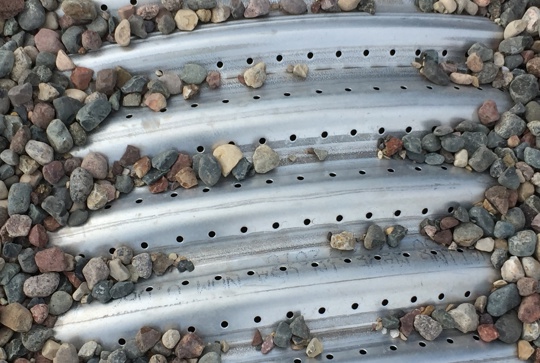
Where are you buying structural backfill these days? Is what you need readily available, or are you looking outside your area and/or waiting an extended time for delivery? With available land space continuing to decrease, stormwater detention/retention is commonly being designed underground. The current construction boom and increasing detention volume requirements have made rock scarce and expensive in many parts of the country.
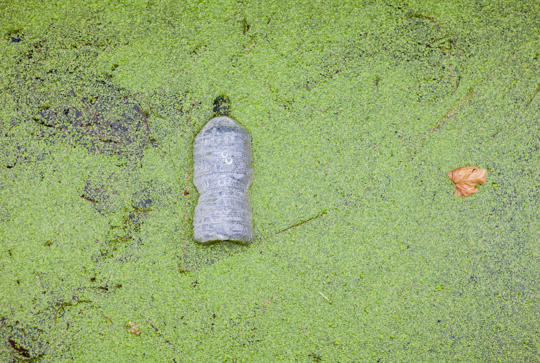
Stormwater quality regulations continue to expand to include treatment criteria for total phosphorus. Phosphorus is now the second-most-regulated pollutant in stormwater runoff after total suspended solids. While much has been written about BMPs used to remove total phosphorus, we shouldn’t underestimate the role BMP maintenance has on reducing phosphorus levels. More specifically, we should take into account the timing of maintenance events and the type of maintenance being performed.

At first glance, singing the praises of one’s own employer might seem a bit self-serving, but as a dedicated environmental professional, I do feel the story is worth telling. I don’t have to work here after all, but Contech’s sustained commitment to developing effective stormwater control measures (SCMs), advancing stormwater science, and advocating for robust stormwater policy has kept me motivated to keep at it for 22 years and counting.
Phosphorus is the second-most-regulated pollutant in stormwater runoff after total suspended solids. However, engineers and regulators are still learning how to remove phosphorus from stormwater to promote healthy waterways and meet agency requirements.
SUBSCRIBE
The Stormwater Blog is featured on the Contech Site Solutions Newsletter. Get insights, news, tip & tricks delivered directly to your inbox.


